An abandoned cart email converts when it reaches the shopper quickly, names the exact items left behind, and gives one clear reason to return. The strongest ones pair a specific subject line with a single call to action, light urgency, and trust signals like reviews or a simple return policy.
Contents
- What is an abandoned cart email?
- What makes an abandoned cart email convert?
- When should you send abandoned cart emails?
- What should an abandoned cart email subject line include?
- How well do abandoned cart emails actually convert?
- A Worked Example
What is an abandoned cart email?
An abandoned cart email is an automated message sent to a shopper who added items to their cart but left before buying. It usually shows the items they left, links straight back to the cart, and sometimes includes an incentive to finish the order.
These emails fire from a trigger: the shopper starts a checkout or adds to cart, and no purchase follows within a set window. Most stores send them as a short series rather than a single message.
What makes an abandoned cart email convert?
Conversion comes down to a few elements working together. The email has to be timely, relevant to the specific cart, and easy to act on in one tap.
The table below breaks down the core ingredients and why each one moves the needle.
| Element | Why it converts |
|---|---|
| Specific subject line | Earns the open by naming the product or using a plain reminder. |
| The exact cart items | Dynamic product blocks rebuild intent by showing what the shopper wanted. |
| One clear call to action | A single button back to the cart removes friction and decision fatigue. |
| Light urgency | Low stock or a limited-time offer nudges action without feeling pushy. |
| Trust signals | Reviews, ratings, and an easy return policy answer last-minute doubts. |
| Mobile-first design | Most carts are abandoned on phones, so the email must read well there. |
When should you send abandoned cart emails?
Timing balances urgency against being pushy. A common, effective cadence is a short series: the first email within about an hour, a second after 24 hours, and a third around 48 hours.
The first message is a simple reminder, the second handles objections like shipping cost or sizing, and the third adds a time-sensitive incentive. A well-built sequence stops the moment someone buys, so no one gets an email for an order they already placed.
What should an abandoned cart email subject line include?
The subject line decides whether the email gets opened, so it should be specific and low-pressure. Naming the product or using a plain reminder like "You left something behind" tends to beat vague hype.
Personalization, a question, or a gentle nudge about stock running low can lift opens. Keep it under about 50 characters so it doesn't get cut off on mobile screens.
How well do abandoned cart emails actually convert?
Cart abandonment is the norm, not the exception. The Baymard Institute puts the average cart abandonment rate at 70.19% across dozens of studies, which means most stores leave real revenue on the table.
Recovery emails claw some of it back, and timing drives the result. Barilliance data shows abandoned cart emails sent within an hour convert at 20.3%, compared with 12.2% when sent after 24 hours.
A Worked Example
Warby Parker shows how the pieces fit together. The brand's abandoned cart email stacks four conversion drivers in a single message, and none of them rely on a discount.
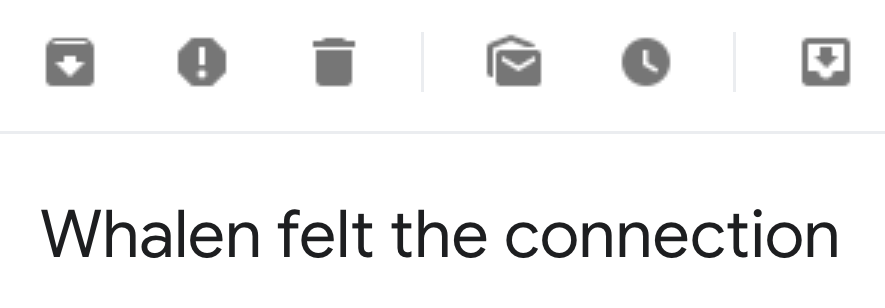
It starts in the inbox. Instead of a vague "you forgot something," the subject line names the exact product the shopper left behind, so the email feels personal before it's even opened.
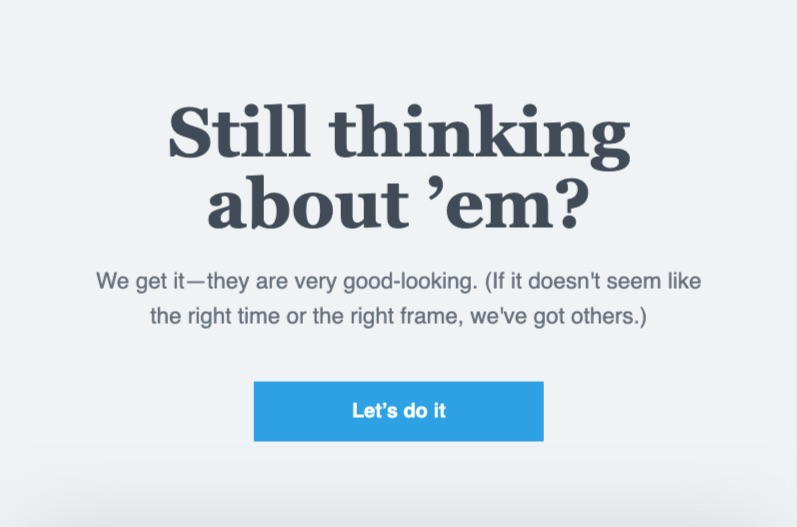
Open it, and the body opens with a question, reassures the shopper that similar styles are available, and points to one clear call to action: finish checking out. There's no clutter competing for the click.
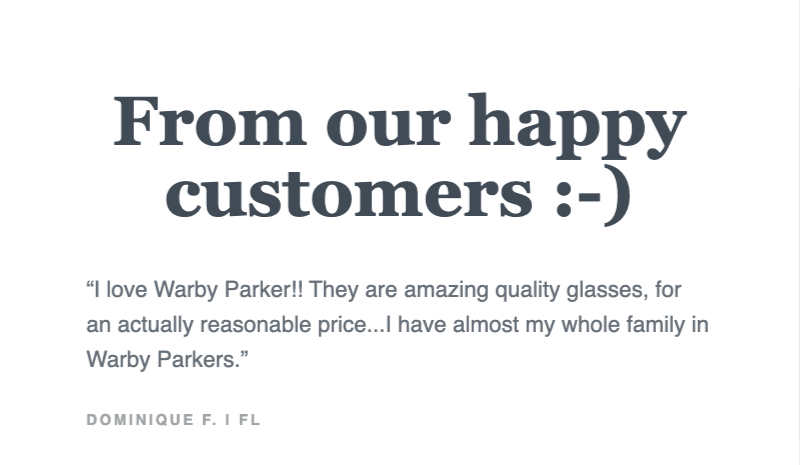
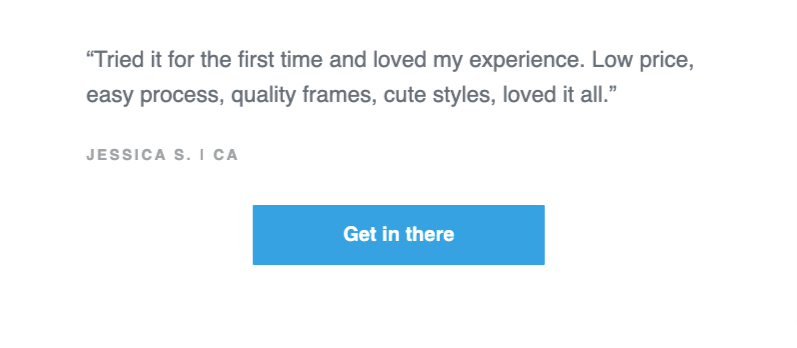
Next comes the trust layer. Two customer testimonials vouch for the brand's price and product quality, answering the doubt that quietly stops a lot of checkouts.
Then the email closes the loop with a second call to action, giving a reader who scrolled all the way down one more easy path back to the cart.
Specific subject line, the abandoned item, trust signals, and a single clear action, all without cutting the price. The payoff is real: Drip customer Neve's Bees reported that its abandoned cart emails earn double the open rate of its regular campaigns and have brought in thousands in extra revenue.
None of these drivers are complicated on their own.
The hard part is wiring them together so the right items, timing, and trust signals show up automatically for every shopper. That's the job of an abandoned cart workflow, and it's the difference between recovering a handful of carts and recovering them at scale.
If you'd like to build one without starting from a blank page, Drip's pre-built abandoned cart workflow is a good place to start, and you can try it on a free 14-day trial, no credit card required.